The House of Happiness
The book
The House of Happiness is a novel by Steve Tiambo published in ten volumes. In Yaoundé, Ike, 34 and gravely ill, tells how his family faced invisible forces in their Odza home. A story blending African supernatural, Christian faith, grief and family love, on the border between reality and fiction.
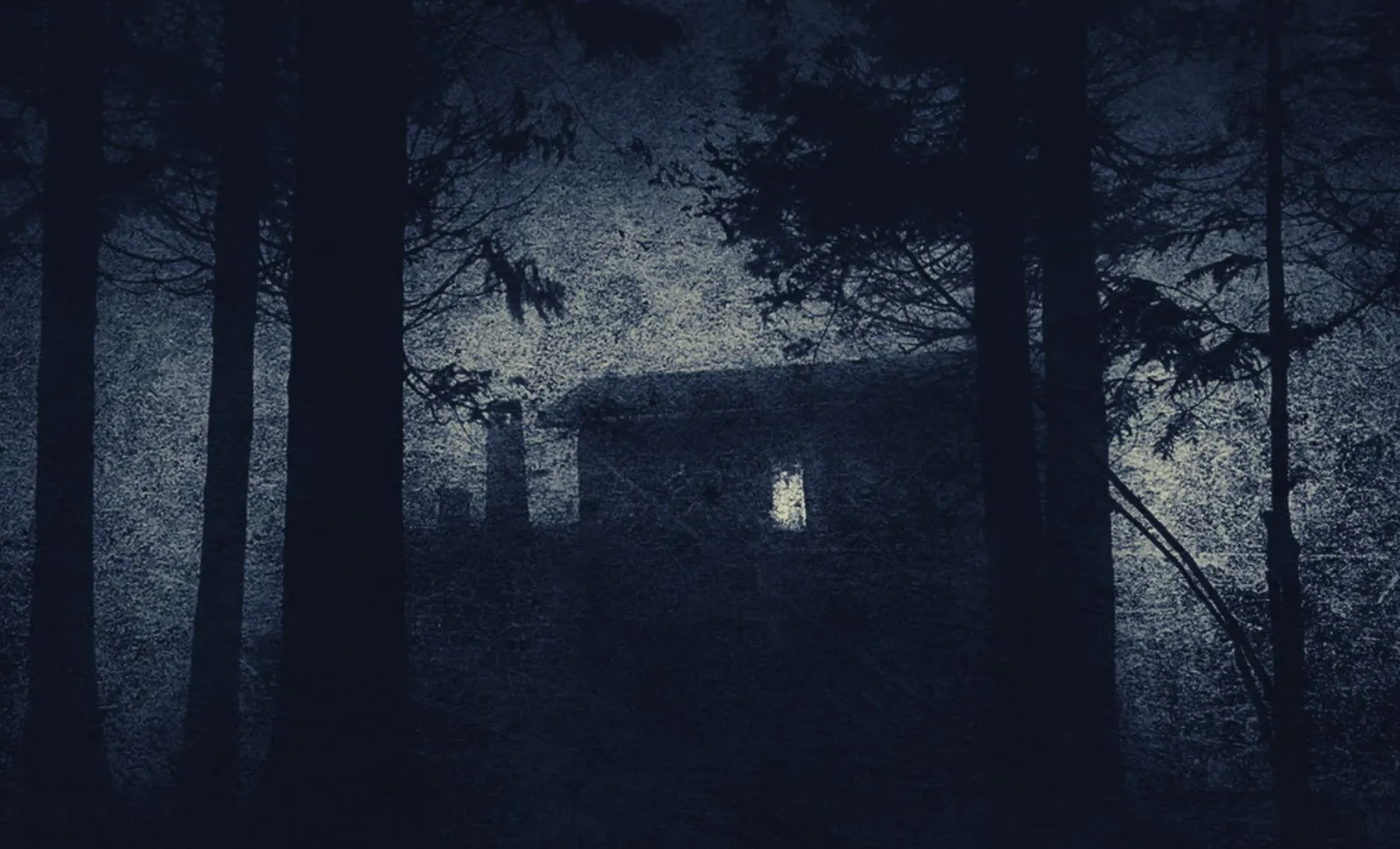
The story
Ike is thirty-four when the doctors tell him he has only days left. Instead of staying silent, he decides to tell everything: his childhood in Odza, a neighbourhood of Yaoundé, the family home people called the House of Happiness, and the years when that house stopped being a refuge.
Possession seizures, apparitions, circles of friends with dark intentions, an illness that baffles doctors: the family faces trials that reason cannot explain. Against them stand a mother who prays without rest, an admired father who falters, three children who grow up too fast, and uncles, cousins and friends who choose their side.
The novel does not try to frighten for the sake of it. It tells how a family stays standing when everything collapses, and what faith, love and friendship can set against the darkness.
More than a horror novel
The House of Happiness crosses four worlds. Darkness, with African supernatural life described from the inside. Faith, with prayer, holy water and doubt. Growing up, with grief, anger and rebuilding. Love, with siblings, parents and loyal friends. The book closes on dawn, as a testimony of hope.
The supernatural in the novel → · Faith, spirituality and resilience →
Structure: 10 volumes, a prologue, an epilogue
- Volume 1 · The Holy Water — Told by Ike
- Volume 2 · The Wall — Told by Ike
- Volume 3 · The Animal — Told by Ike
- Volume 4 · The Circle — Told by Jeannette
- Volume 5 · The Friendship — Told by Ike
- Volume 6 · My Model — Told by Ike
- Volume 7 · The Sacrifice — Told by Ike
- Volume 8 · The Meningioma — Told by Régine
- Volume 9 · The Mask — Told by Ike
- Volume 10 · The Lady in White — Told by Ike
The epilogue
In the epilogue, Ike looks back on his life in stages: fifteen, when the strange events began at home; eighteen, when he had to make a choice for his father; twenty, when he was caring for his sick mother; twenty-seven, and now thirty-four. He names the armour he forged, the facade of happiness he projected in the belief that it protected the people he loved.
It is a text of gratitude: the discipline and sense of family passed on by his father, the unconditional love and resilience taught by his mother, the joy of a son, Kialel. Ike finally leaves the reader to judge: visions caused by a tumour, the delusions of an alcoholic father, a troubled teenager's nightmares, or something else? Between science and mystery, everyone will decide for themselves.
Who is it for?
For adults and older teenagers who enjoy life stories, the supernatural and stories of faith, for the African diaspora who will recognise familiar memories, and for anyone going through grief or hardship. Some scenes may be disturbing.
Frequently asked questions
Is The House of Happiness a true story?
Real or fiction? The book deliberately leaves the question open. It is up to each reader to ask it, and to find their own answer.
How long is the book?
The complete French edition is about 300 pages, divided into a prologue, ten volumes and an epilogue.
Should the volumes be read in order?
Each volume stands alone, but reading 1 to 10 follows Ike’s life and gives the ending its full force.
Updated on 17 October 2026 · By Steve Tiambo, author